1.png "Cartel United")

Testosterone, as an active hormone, is a critical component of male physiology on which numerous systems rely. Testosterone insufficiency has been linked to insulin resistance, inflammation, lipid metabolism issues in the body, metabolic syndrome, and an increased risk of vascular consequences. Obesity, low bone density, and anaemia are all exacerbated by a lack of testosterone. Depressed mood, decreased motivation, weariness, and a worse quality of life are all symptoms of testosterone insufficiency.
It's also worth noting that while testosterone can act on androgen receptors on its own, the majority of it is transformed into other hormones like DHT and estradiol, which have much more activity than the precursor hormone.
To sustain specific functions in a man's body, the right level of estradiol must be present. Low estradiol symptoms include osteoporosis, cardiovascular illness, irritability, irascibility, and difficulties conceiving a child. A reduction in estradiol below the standard limits frequently causes athletes to tear joints and tendons in previously affected regions. A low amount of estradiol in the body is far worse than a high level. Also, because it has anabolic qualities, decreased estradiol is one of the causes for the reduction in anabolism in muscle tissue.
DHT is the second hormone produced by testosterone in the male body. DHT binds to androgen receptors in tissues far more firmly than testosterone, therefore despite its lower quantity, it has a more significant androgenic impact. The hormone affects the central nervous system and governs sexual behaviour and erectility. DHT shortage impairs sexual function by lowering desire, leading to the development of erectile and orgasmic dysfunction, and overall affecting sexual engagement.
The problem is that when you use anabolic steroids, your testosterone level declines to zero in a matter of weeks. This causes a chain reaction of events, including a reduction in DHT, oestrogen, and other hormones required by the body to operate normally. Because no anabolic steroid can totally replace all of testosterone's activities, not using it deprives the body of a number of active compounds that rely on it.
Solution
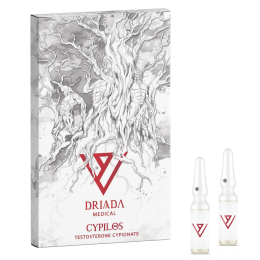
The remedy to this problem is fairly simple: use testosterone in any cycle. Depending on the duration of your cycle, you may use long esters like enanate and cypionate or short ones. The amount of testosterone you take depends on your goals. When testosterone is the mainstay of your cycle, the dose can be increased above 500-750 mg, and other anabolic medicines are introduced at a little lower dosage.
Examples of increased testosterone dose cycles:
- Testosterone enanthate 500 mg/week
- Trenbolone enanthate 300 mg/week
- Testosterone cypionate 500 mg/week
- Nandrolone decanoate 400 mg/week
- Testosterone propionate 300 mg/week
- Turinabol 40 mg/day
Alternatively, testosterone dose may be smaller than that of any other anabolic steroid:
- Testosterone enanthate 250 mg/week
- Trenbolone enanthate 400 mg/week
- Testosterone cypionate 250 mg/week
- Drostanolone enanthate 400 mg/week
- Stanozolol 30 mg/day
- Testosterone enanthate 125 mg/week
- Methenolone enanthate 400 mg/week
- Oxandrolone 20 mg/day
What should I do if I don't want to have injections?
Many people avoid using testosterone because they are terrified of intramuscular injections. Unfortunately, there are only two varieties of oral testosterone on the market: testosterone ndecanoate, which is extremely rare, and methyltestosterone, which is toxic enough to consume for an extended period of time.
In this instance, we propose using HCG 1500-2000 iu per week to keep your testosterone levels within normal ranges and avoid testosterone insufficiency symptoms.
Although HCG is injectable, the injections are administered with a little insulin needle beneath the skin, which will not cause you any discomfort or worry. Such an injection is straightforward to do and requires no extra training other than adhering to basic safety precautions.